
The Seven-Date Tradition
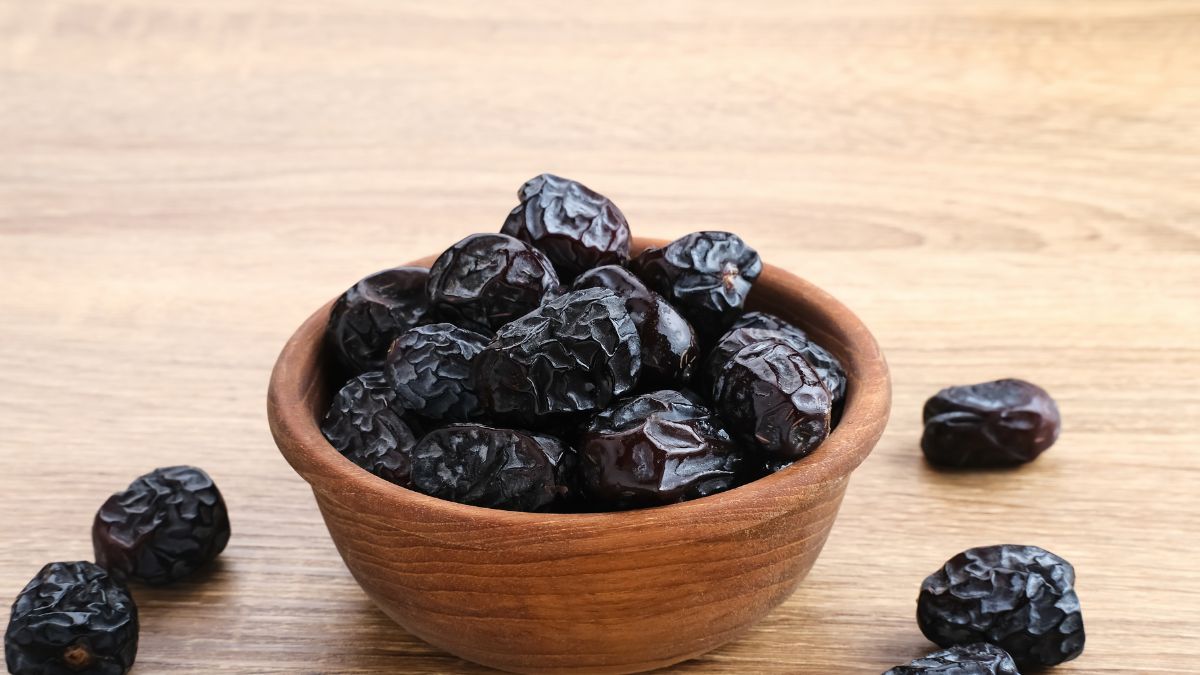
Across much of the Arab world, the date is a gesture of hospitality, and customs have grown around it over generations. One of them is the habit of serving dates in an odd number, such as three, five or seven.
A custom with a long history
The date is deeply woven into the culture of the Middle East. In the Islamic tradition, it is common to break the Ramadan fast with dates and water. At the family table, in the mosque or at a shared iftar, the date stands for welcome and togetherness.
Why an odd number?
Serving an odd number is above all a handed-down custom and part of cultural etiquette. We describe it here expressly as tradition and heritage, without any further interpretation.
The tradition at your own table
If you would like to take up the custom, offer dates as a small courtesy with coffee or tea, as part of a mezze spread, or as a greeting for guests. Large Medjool or mild Ajwa look especially festive.
For mosques, associations and gift-box makers we offer seasonal pre-orders, see our German-language Ramadan dates page.